
The Swimmer’s Guide to Nutrition by Alistair Brownlee
PART 2: Hydration, Salt & Recovery: The Other Half of Swim Nutrition
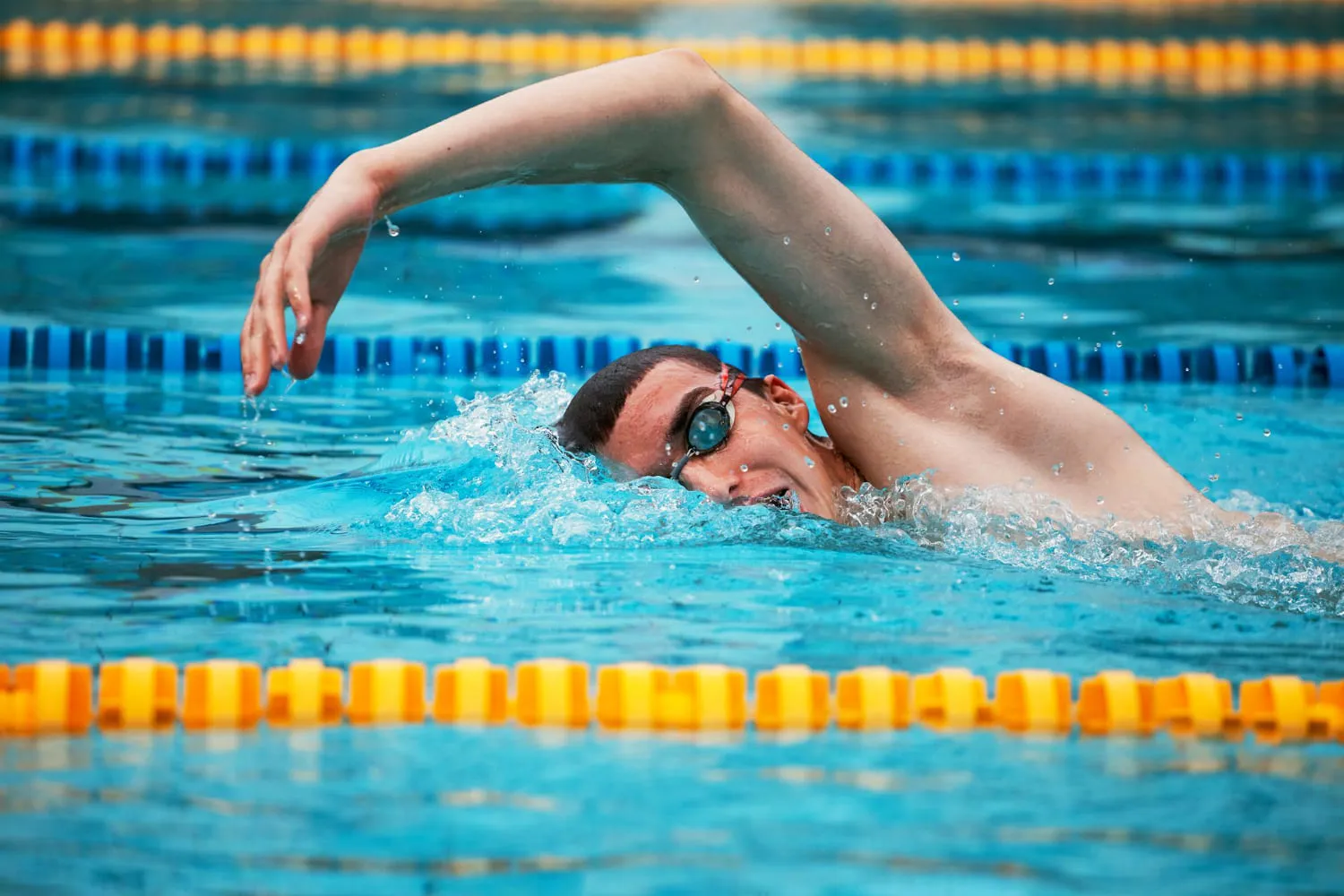
You still sweat in the pool
Water makes sweat difficult to notice, but it does not stop you sweating.
A sensible starting estimate for swimming in water at around 27°C is therefore approximately 300 mL of sweat per hour.
However, that is an anchor, not a drinking prescription. The study mean plus or minus one standard deviation was approximately 210–410 mL per hour, and individual swimmers may sit outside that band. Sweat rate also changes with swimming intensity, body size, heat acclimation, pool temperature, air temperature and humidity. [5]
You do not need a laboratory to get a useful estimate of your own sweat rate. Weigh yourself before and after a representative session, record how much you drank and account for any urine produced.
What about salt?
Salt losses vary just as much as fluid losses.
Combining the study’s average sweat-sodium concentration with its average sweat rate gives an estimated sodium loss of approximately 310 mg per hour. That is equivalent to roughly 0.8 g of salt per hour.
This is an inference made by combining two group averages. It is not an individual replacement target. A swimmer with a higher sweat rate or saltier sweat could lose considerably more, while another swimmer could lose much less.
The truefuels gels are designed to make it easier to adjust carbohydrate and salt separately:
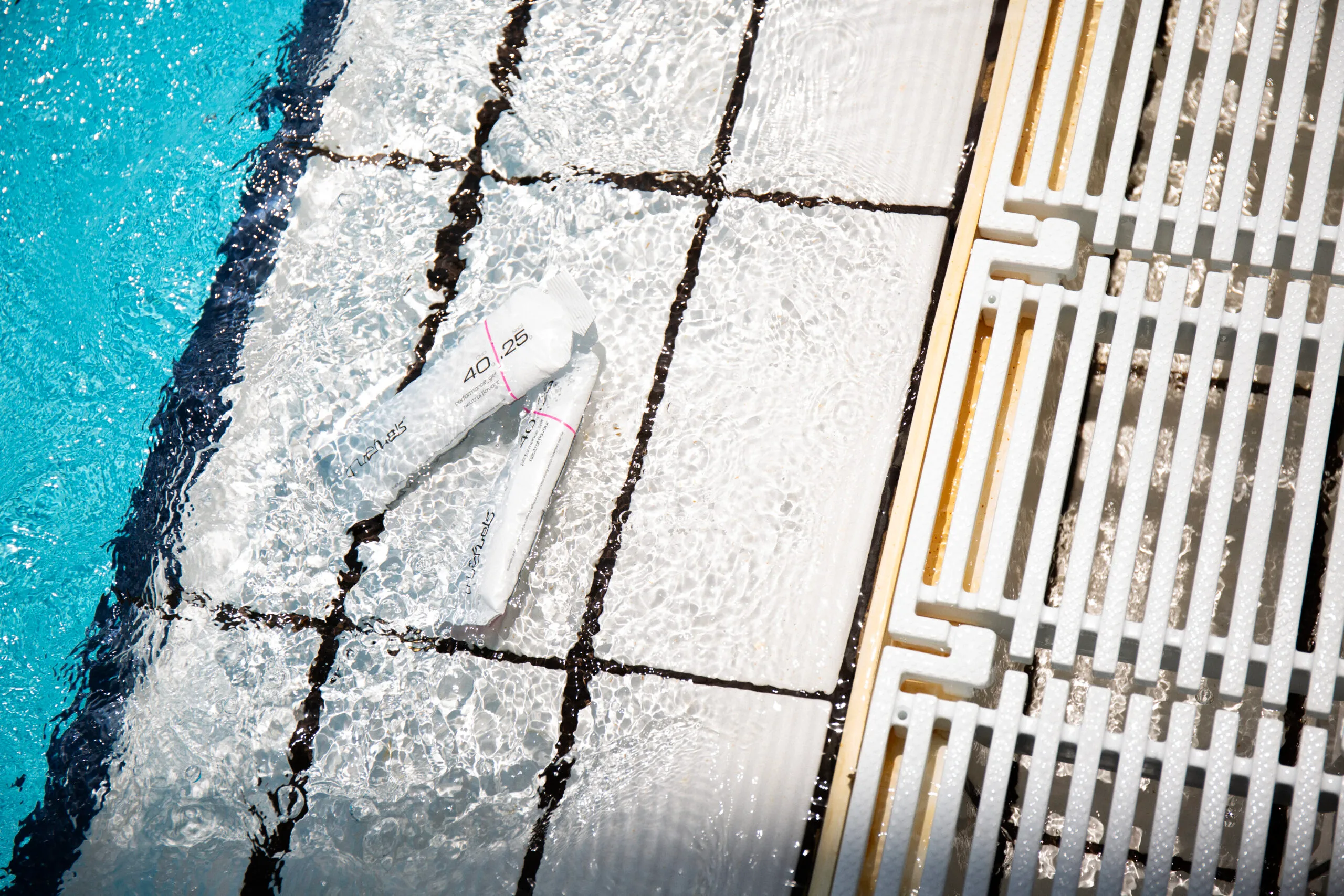
Truefuels gels 40/0.25
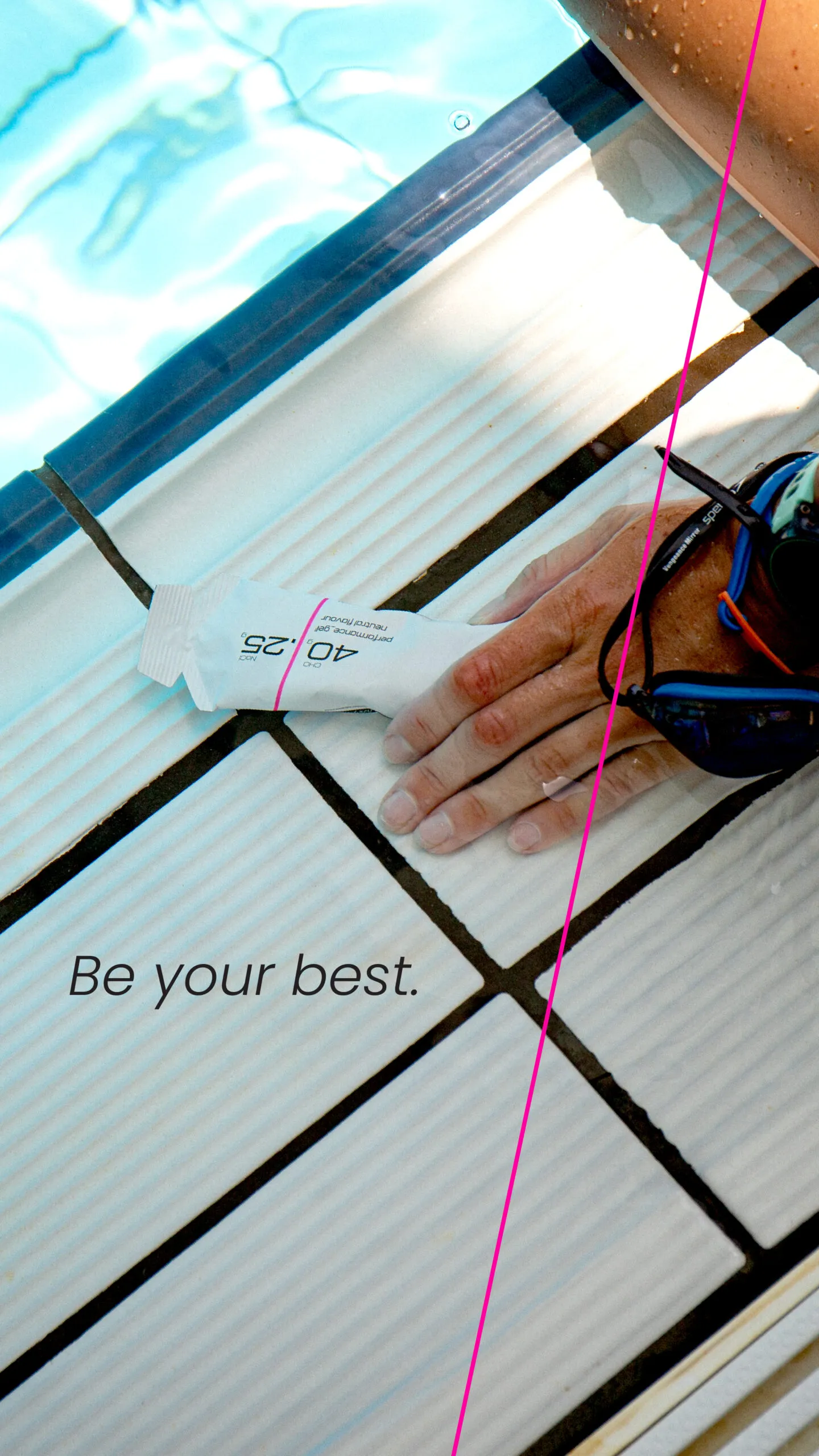
The 40/0.25 contains 40 g of carbohydrate and 0.25 g of salt, equivalent to approximately 100 mg of sodium.
It suits cooler sessions and swimmers with lower sweat or salt losses.
Truefuels gels 40/1.0
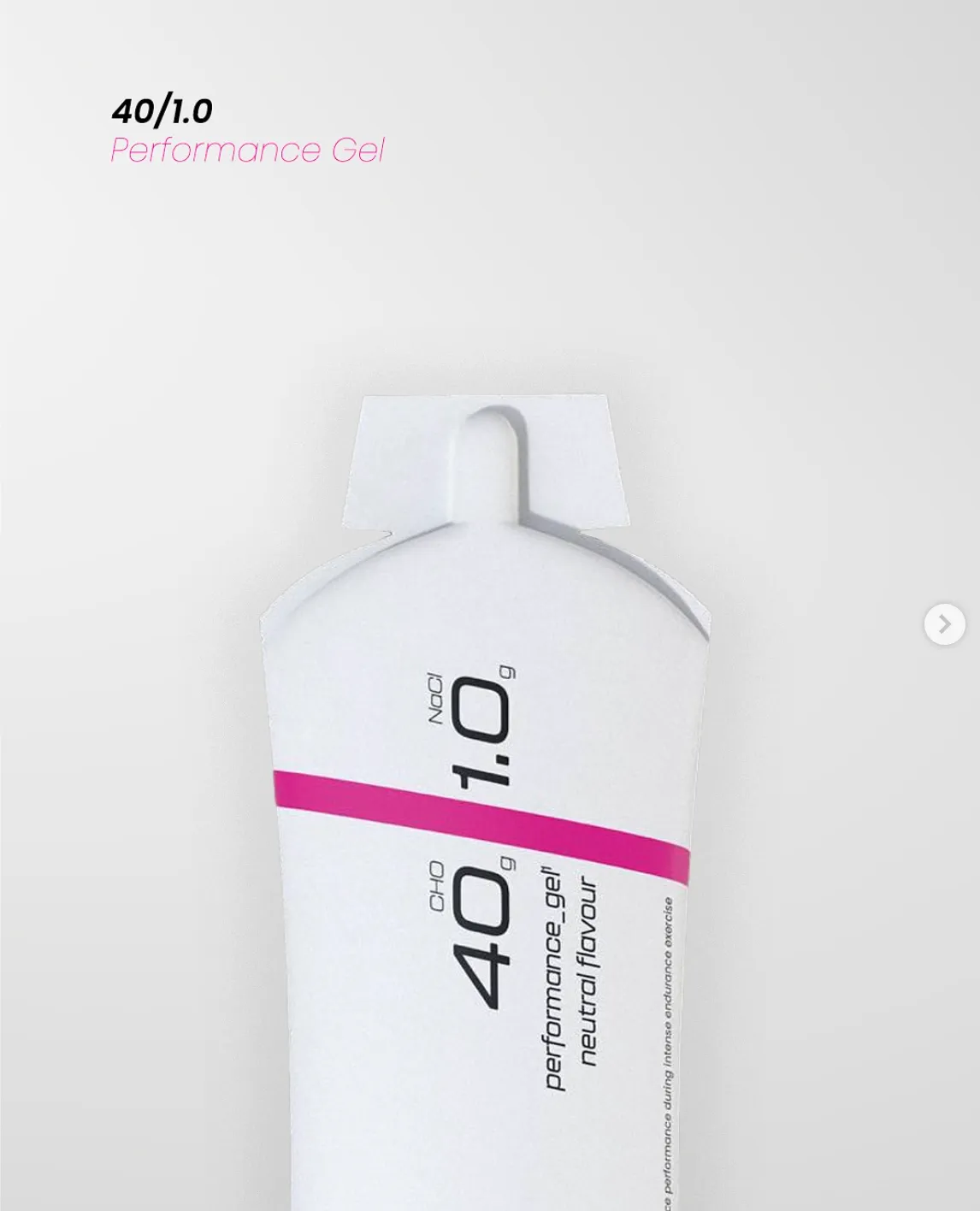
The 40/1.0 contains 40 g of carbohydrate and 1 g of salt, equivalent to approximately 400 mg of sodium.
It provides more salt for warmer conditions, longer sessions and swimmers with higher sweat or sodium losses.
It is important to distinguish between salt and sodium. One gram of salt contains approximately 400 mg of sodium. Food, electrolyte drinks and other products also contribute to your total intake.
Whichever gel you use, take it with water. Carbohydrate and salt still need fluid to be useful. A concentrated gel without enough water can make your stomach less happy rather than more.
Fluid, salt and water temperature
The water can hide both thirst and sweat.
Cold water may reduce the desire to drink, while warm water and a hot start area can increase thermal strain. Neither situation makes a one-size-fits-all drinking plan sensible.
Water temperature alone is not enough to predict how much you will lose. Use comparable training sessions to estimate your own fluid requirements. Weigh yourself before and after, record what you drank and repeat the process in different conditions.
The aim is not necessarily to replace every millilitre while swimming. It is to avoid a fluid deficit that meaningfully affects performance without forcing down more fluid than you need. Salt losses are also individual.
The truefuels 40/0.25 gel contains 0.25 g, or 250 mg, of salt. That is equivalent to approximately 100 mg of sodium. The 40/1.0 contains 1 g of salt, equivalent to approximately 400 mg of sodium.
The higher-salt option can be useful in warm conditions, for long events or for swimmers with higher sweat and sodium losses. It still needs to be taken with water, and more salt is not automatically better.
However, test the exact mixture in training. Two or three gels in a small volume of water creates a concentrated drink, and you may need additional water alongside it.
For a long swim, where the event format allows it, I would normally combine the planned gels, including the appropriate salt level, with water in a clearly marked bottle. It simplifies the feed and makes it easier to keep track of what you have consumed.
 Alistair Brownlee, a two-time Olympic Gold medalist in Triathlon, co-founder of truefuels.
However, test the exact mixture in training. Two or three gels in a small volume of water creates a concentrated drink, and you may need additional water alongside it.
Recovery after the session
Recovery nutrition is often made more complicated than it needs to be.
If you are eating a proper meal within an hour or two and do not have another demanding session soon, that meal can do the job. Include a good carbohydrate source, 20–40 g of protein and some fluid. For many swimmers, approximately 0.3 g of protein per kilogram of body mass is a useful post-session target. [1]
If you have another hard session within a few hours, recovery becomes more urgent. Aim for approximately 1.0–1.2 g of carbohydrate per kilogram of body mass per hour during the first three to four hours of recovery, alongside some protein. [3]
For a 70 kg swimmer, that means approximately 70–84 g of carbohydrate per hour. It does not all have to be consumed in one sitting. You can start with a recovery meal or snack and continue eating carbohydrate regularly during the next few hours.
One of the most common mistakes is to have a protein shake and call recovery finished. Protein matters, but it does not replace the carbohydrate used during a hard swim. Recovery is not another word for protein.
Good fuelling should make your training more repeatable and help you feel better after the session. You are not trying to feel amazing at the start of every warm-up. You are trying to maintain the quality of the work, recover properly, function in the rest of your life and come back ready to do it again.
Alistair Brownlee, a two-time Olympic Gold medalist in Triathlon, co-founder of truefuels.[1] Shaw G, Boyd KT, Burke LM, Koivisto A. Nutrition for swimming. International Journal of Sport Nutrition and Exercise Metabolism. 2014;24(4):360–372. https://doi.org/10.1123/ijsnem.2014-0015
[3] Burke LM, Hawley JA, Wong SHS, Jeukendrup AE. Carbohydrates for training and competition. Journal of Sports Sciences. 2011;29(Suppl 1):S17–S27. https://doi.org/10.1080/02640414.2011.585473
[4] Maughan RJ, Dargavel LA, Hares R, Shirreffs SM. Water and salt balance of well-trained swimmers in training. International Journal of Sport Nutrition and Exercise Metabolism. 2009;19(6):598–606. https://doi.org/10.1123/ijsnem.19.6.598
[5] Baker LB. Sweating rate and sweat sodium concentration in athletes: a review of methodology and intra/interindividual variability. Sports Medicine. 2017;47(Suppl 1):111–128. https://doi.org/10.1007/s40279-017-0691-5